Monkey 3D Shadow Box Template Review: A Designer’s Take
When I first opened the zipped file for Monkey 3D Shadow Box Template, I was struck by how clean and organized it felt. The SVG, PNG, DXF, and JPG files were all neatly arranged, with the SVGs formatted for one-click upload—something that immediately appealed to my efficiency-driven mindset. As a designer who often works on custom embroidery projects for clients and small businesses alike, I know how valuable time-saving features are. What caught my attention most, though, wasn’t just the file structure, but the visual impact of the design itself.
A Playful Yet Sophisticated Design for Creative Projects
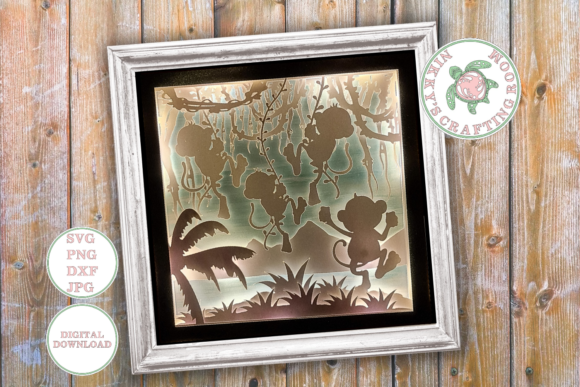
The Monkey 3D Shadow Box brings a whimsical charm without being overly childish. Its three-dimensional effect gives it a sense of depth that feels modern and eye-catching, especially when layered with other elements. The monkey is stylized in a cartoonish yet refined way, making it versatile enough for both kids’ apparel and adult-oriented items like tote bags or holiday gifts. The layout is balanced, with enough negative space to let the character breathe while still feeling cohesive and complete.
I see this design fitting well into custom apparel and handmade product lines. Whether you're creating personalized baby clothes, trendy sweatshirts, or boutique-style patches, the Monkey 3D Shadow Box can serve as a standout feature. It has a strong visual personality that makes it memorable, which is important for branding and customer engagement in the craft business.
Real-World Application: Sweatshirt Embroidery Test
To test its practicality, I loaded the design onto a mid-weight cotton sweatshirt using an embroidery machine. I resized it slightly while keeping the layers grouped, as recommended. The result was impressive. The 3D aspect translated well into the stitch, with distinct areas of satin stitch and fill stitch giving the monkey a pop of dimensionality against the fabric.
On a soft, medium-weight fabric, the design maintained its shape and clarity. The shadow box framing added a nice touch of sophistication, helping it feel more like a professional embroidery project than a generic clipart print. For an Etsy seller or small shop product line, this kind of detail can elevate your offerings from “just another cute design” to something customers will recognize and return to.
Where This Design Shines
- Tote bag designs: The Monkey 3D Shadow Box looks fantastic centered on a canvas tote. It adds a playful yet polished aesthetic that appeals to gift shoppers and eco-conscious buyers.
- Baby embroidery: For those working on nursery decor or baby clothing, this design brings a gentle fun factor that parents love. Just be sure to pair it with softer color palettes to match the overall vibe of the room.
- Holiday gifts: Think about using it on aprons, tea towels, or decorative pillows for a festive twist. The shadow box style gives it a framed, artisanal look that's perfect for handmade holiday items.
- Commercial embroidery: If you're looking to expand your digital product range or sell finished embroidered goods at craft fairs, this template could be a great fit. It’s scalable and visually appealing across different product types.
Design Notes for Maximum Impact
Before jumping into production, I recommend testing the design on scrap fabric. This lets you assess how the stitch density affects the fabric and whether any adjustments are needed. Also, take note of the thread colors used in the default setup. While they’re vibrant and work well on light backgrounds, consider tweaking them if you're using darker fabrics or want to align with brand colors.
Another thing to keep in mind is hoop size. Since the design includes multiple layers and some fine details, you’ll need to confirm it fits within your available hoop dimensions. If not, resizing may affect how the shadow box proportions hold up. Always double-check the final placement and alignment before stitching on real products.
Caution Zones: When to Use Carefully
While the Monkey 3D Shadow Box is adaptable, there are situations where it might require extra attention:
- Small hoop sizes: If you're working on tiny items like embroidered patches or cap embellishments, the design might lose its impact due to scale limitations.
- Textured or stretchy fabrics: These can distort the stitch pattern, especially in detailed corners or around the monkey’s face. A firm stabilizer helps, but results may vary.
- Dark fabric backgrounds: The contrast between the design and dark materials can be less striking. You may need to adjust thread shades or add a white background layer.
- Curved surfaces: Embroidering this on curved areas like the front of a cap or a rounded pillow cover requires careful hooping and possibly some manual tweaks to ensure even coverage.
For these reasons, I’d advise against using it on items that require frequent washing or stretching, unless you’re confident in your stabilizing techniques. The design’s intricate nature means it needs good support to maintain its crisp appearance over time.
Boosting Product Value and Customer Appeal
What really impressed me about the Monkey 3D Shadow Box is how it enhances the perceived value of the finished product. The 3D element isn’t just visual—it creates a tactile interest that customers notice when they run their hands over the stitched area. This subtle detail can significantly increase buyer engagement and make your personalized gift items stand out in a crowded market.
From a branding perspective, the design offers a consistent look that can be repeated across different items. Imagine having this same monkey appear on tote bags, baby onesies, and aprons—it builds recognition and reinforces your creative identity as a designer or handmade shop owner. And for Etsy sellers, that kind of cohesion is invaluable for attracting repeat customers.
Practical Tips for Embroidery Success
- Test on scrap fabric: Always try the design on a similar material before committing to client or retail projects.
- Check thread color contrast: Make sure the colors pop against your chosen fabric. Consider using black and white mockups to visualize better.
- Review stitch density: Look closely at fill areas and satin stitches to ensure they won’t pucker or distort the fabric.
- Confirm hoop size: Resizing should be done carefully to avoid misalignment or loss of detail.
- Inspect small details: The monkey’s facial features and shadow edges need clear definition for the best outcome.
- Use proper stabilizer: Especially on stretchy or thin fabrics, a tear-away or cut-away stabilizer can help preserve the design’s integrity.
- Verify commercial use rights: Before selling finished products or offering the design as a digital asset, check the licensing terms to avoid legal issues.
Final Thoughts on Monkey 3D Shadow Box
In my experience, the Monkey 3D Shadow Box Template is a solid choice for designers and entrepreneurs who want a unique, dimensional look in their embroidery projects. It’s not just a simple applique—it tells a story through its layered presentation and thoughtful styling. That said, it’s not a one-size-fits-all solution. Understanding where it thrives and where it needs support is key to getting the most out of it.
If you're crafting for a craft fair or building a collection of digital embroidery files for resale, this design can become a signature piece. But always remember to test, adapt, and prioritize quality. With the right approach, the Monkey 3D Shadow Box can transform your design assets into something truly special—both in execution and in emotional connection with your audience.