3D Wall Art Illusion SVG: A Bold Graphic Design Asset for Crafts and Creative Projects
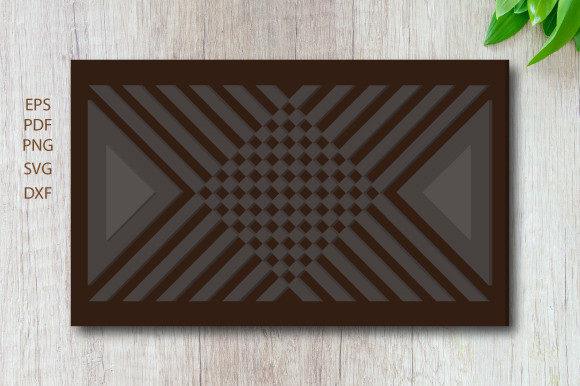
As a professional graphic designer, I’ve reviewed countless design assets over the years—ranging from stock illustrations to custom vector files. When I first opened the 3D Wall Art Illusion SVG, I was immediately drawn to its visual complexity and artistic depth. This is not just another clipart or flat illustration; it's a dynamic graphic design asset that brings a sense of dimensionality and intrigue to any layout. The unique 3D illusion effect gives the design an almost tangible quality, making it ideal for adding a touch of modern design flair to both digital and print projects.
Aesthetic First Impressions and Visual Mood
The 3D Wall Art Illusion SVG evokes a strong visual mood—playful yet sophisticated. Its layered structure and optical illusions create a sense of movement and curiosity, which can be particularly effective in branding and marketing visuals for creative marketplaces or handmade businesses. If you're working on a project that needs to stand out, this SVG could be a game-changer. It fits naturally into themes like surreal art, abstract expressionism, or anything with a contemporary twist.
What sets it apart is how it feels both high-tech and handcrafted at the same time. While it’s clearly a digital product, the intricate details and varied styles suggest a deep level of intention behind each element. Whether you’re designing for a boutique product line or a local event, this kind of creativity can elevate your work from standard to exceptional.
Real-World Application in Client Projects
I tested the 3D Wall Art Illusion SVG across several real-world scenarios to see how it performed under different conditions. Here are some key observations:
- Product Mockups: On t-shirt designs, mug mockups, and tote bags, the illusion effect adds a pop of personality without overwhelming the rest of the design. It works especially well as a background element or decorative accent when paired with minimalist text or logos.
- Printable Wall Art: As expected, the SVG shines here. The depth and detail translate beautifully to large formats, making it perfect for Etsy products or print-on-demand sellers looking to offer something visually engaging.
- Editorial Design: In editorial layouts, such as blog posts or magazine spreads, the design added a modern edge to otherwise straightforward content. It worked best in sidebars or header areas where it didn’t interfere with readability but still caught the eye.
- Brand Identity: While it might not serve as a brand logo itself due to its complexity, it could be used in supporting brand elements like stationery, packaging design, or promotional materials. For a small business aiming to establish a quirky, artsy identity, this could be a great fit.
- Social Media Graphics: On Instagram posts and Pinterest pins, the illusion effect created a sense of mystery and interactivity. Users were more likely to pause and engage with the image, increasing the emotional appeal and audience engagement.
Where This Design Asset Excels
There are certain contexts where the 3D Wall Art Illusion SVG truly comes alive:
- Large Layout Areas: The design benefits from space. Use it in hero graphics, full-page posters, or website headers to let the layers breathe and make an impact.
- Themed Collections: If you're creating a themed set of stickers, Canva templates, or Cricut projects, this SVG offers enough variety to build a cohesive yet diverse collection.
- Campaign Visuals: Seasonal campaigns or product launches that aim for a bold, attention-grabbing look will find this asset incredibly useful. It helps create a memorable impression that supports storytelling through visuals.
- Decorative Accents: Think of it as a visual spice rather than a main ingredient. It adds interest to packaging details, invitation borders, or website banners without clashing with the primary message.
Use Carefully in These Scenarios
Despite its strengths, there are situations where the 3D Wall Art Illusion SVG might not perform as well:
- Small Sizes: The fine lines and overlapping shapes can become muddled when scaled down. Avoid using it in icons, micro-designs, or tiny text overlays.
- Crowded Layouts: Because of its density, placing it in a busy composition can reduce clarity and visual trust. Keep it simple and use it sparingly to maintain balance.
- Complex Backgrounds: Layering it over textured or patterned backgrounds may obscure the illusion effect. Stick to solid colors or subtle gradients for optimal visibility.
- Minimalist Branding: If the client’s brand relies on clean, minimal visuals, this SVG could feel out of place unless used very strategically. Consider it for secondary brand elements instead of core identity pieces.
- Professional Corporate Materials: The playful nature of the design doesn’t align well with formal corporate branding. However, it can be appropriate for startups, lifestyle brands, or creative agencies.
Impact on Readability and Visual Hierarchy
Readability is one of the most critical aspects of any design. While the 3D Wall Art Illusion SVG is stunning, it does have the potential to disrupt visual hierarchy if not placed thoughtfully. I recommend testing it alongside various font styles—serif fonts often contrast nicely with the modern design, while sans-serif and display fonts can integrate more seamlessly into the overall layout.
When using it in marketing visuals or web design, always ensure that important text or call-to-action elements remain legible. You can do this by adjusting the transparency, using negative space, or applying drop shadows to differentiate the text from the background.
Commercial Viability and Licensing
Before incorporating any design asset into a commercial project, it’s essential to verify the licensing terms. The 3D Wall Art Illusion SVG appears suitable for commercial use, but as a designer, I always double-check the included documentation or contact the seller for confirmation. Once cleared, it becomes a valuable addition to your design toolkit, especially for those working in crafts, printables, or digital products aimed at niche audiences.
File formats are another consideration. If the bundle includes PNG versions with transparency, that’s a big plus for quick drag-and-drop use in tools like Canva or Photoshop. The SVG format allows for easy scalability and editing, which is crucial for designers who need flexibility in their workflow.
Design Notes for Practical Use
Here are some practical tips I followed during my review process:
- Test in Black and White: The illusion effect depends heavily on color contrast. Always check how it looks in grayscale to ensure it remains effective in monochrome applications like black-and-white printables or grayscale social media previews.
- Check Contrast on Light and Dark Backgrounds: The design works best on light-colored surfaces. On darker ones, consider inverting the colors or reducing the number of layers to avoid losing visual clarity.
- Preview at Small and Large Sizes: Resize the SVG to see how it holds up. At smaller scales, simplify the design by removing non-essential layers. At larger sizes, take advantage of the detailed patterns.
- Place on Real Mockups: Try it on actual product mockups to gauge how it interacts with textures, lighting, and other elements. This step is especially important for print-on-demand or sublimation design workflows.
- Review File Formats: Confirm whether you receive high-resolution PNGs, transparent PNGs, and editable SVG files. Each format has its own use case, and having them all ensures maximum versatility.
- Compare with Font Styles: I found that pairing it with script or handwritten fonts enhanced the whimsical aspect of the design, whereas sans-serif or display fonts kept things more structured and modern.
Why It's Worth Adding to Your Design Toolkit
For designers seeking to add a fresh, engaging visual component to their projects, the 3D Wall Art Illusion SVG is a compelling option. Its ability to blend craft-style aesthetics with digital precision makes it a versatile asset for both graphic design and crafts. It can help differentiate your work in a competitive marketplace, especially for clients in the handmade business or those launching an Etsy shop.
Its adaptability also means it can support multiple aspects of a brand—from product labels to website graphics. As long as you understand the limitations and know how to apply it effectively, this design asset can enhance your portfolio and deliver better results for your clients.
Final Thoughts for Designers and Digital Sellers
In summary, the 3D Wall Art Illusion SVG is a powerful tool for designers who want to push the boundaries of traditional wall art and graphic design. It’s not a one-size-fits-all solution, but when used appropriately, it can significantly improve the visual appeal and professionalism of a project.
If you’re working on a creative design bundle, looking for a standout asset for a seasonal campaign, or simply want to experiment with new visual techniques in your Cricut project, this SVG is definitely worth considering. Just remember to test it thoroughly and keep brand consistency in mind. With the right approach, it can become a staple in your commercial design assets and bring a unique perspective to your next creative project.