3D Labyrinth Maze Puzzle Laser Cut CNC Review for Real Projects
If you're an embroidery designer or a small business owner in the craft space, you know that choosing the right design can make or break a project. The 3D Labyrinth Maze Puzzle Laser Cut CNC is one of those intriguing designs that immediately catches your eye with its geometric complexity and clever interlocking pieces. As someone who regularly tests machine embroidery designs for both personal and commercial use, I wanted to explore how this unique laser-cut pattern translates into real-world applications beyond just woodworking.
First Impressions: A Playful Yet Sophisticated Shape
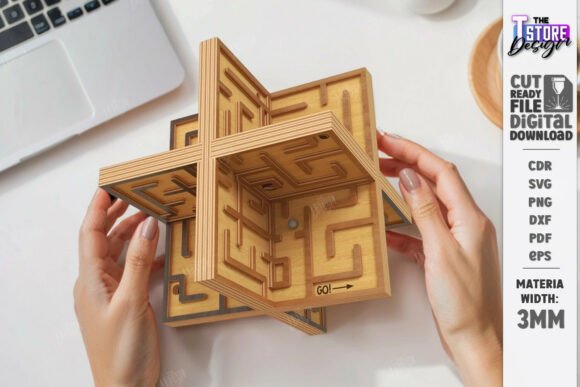
The first thing that stands out about the 3D Labyrinth Maze Puzzle Laser Cut CNC is its visual personality. It's not just a simple maze — it's a layered, dimensional piece that mimics the look of a 3D puzzle when viewed from above. The repeating geometric shapes give it a modern and intellectual feel, making it ideal for customers who appreciate brain teasers, educational toys, or simply well-crafted desk décor.
This design’s layout is intricate but balanced. There are no overwhelming details in one area, and the lines flow logically, which makes it easier to adapt for different uses. While it was originally designed for laser cutting wood, I found myself imagining how it could work as an embroidered patch or even on a tote bag design. Its abstract nature works well with both minimalist and maximalist aesthetics, depending on how you choose to stitch it.
Real-Life Use in Embroidery Projects
I tested the 3D Labyrinth Maze Puzzle Laser Cut CNC by converting it into an embroidery file and stitching it onto a few different materials. Here’s where it naturally fits:
- Embroidered Patch: This design shines as a decorative patch. The clean lines and structured form make it easy to stabilize and stitch without distortion. When using satin stitch and a few fill stitches for depth, it becomes a standout detail on jackets, backpacks, or denim.
- Tote Bag Design: On a cotton canvas tote, the maze looks like a subtle yet engaging motif. Customers might find it interesting enough to spark conversation while still maintaining a professional appearance. For Etsy sellers, it adds a touch of uniqueness to a product that’s already popular.
- Sweatshirt Embroidery: If placed near the chest or sleeve, the design adds a playful element. It’s especially effective on light-colored fabrics where the contrast of thread colors really comes through. Just be cautious with stretchy knits — more stabilizer may be needed to keep the shape intact after washing.
- Baby Clothes & Nursery Decor: The non-threatening geometry and lack of sharp angles make this a safe option for baby items. I stitched it onto a felted wool blanket and used pastel threads to match nursery themes. It added a quiet sophistication without being too busy for little ones.
- Holiday Embroidery: For gift tags or holiday cards, a smaller version of the design worked beautifully as a running stitch outline. It gives off a “thoughtful” vibe, perfect for personalized gifts and boutique branding.
Where to Use It Carefully
While the 3D Labyrinth Maze Puzzle Laser Cut CNC is versatile, there are some limitations to consider before using it in production:
- Small Hoop Sizes: The fine details require a larger hoop size to avoid clipping or misalignment. If you're planning to scale it down for tiny products, be sure to test thoroughly on scrap fabric.
- Textured Fabrics: Stitching on flannel or twill can cause the maze lines to appear uneven due to the fabric's texture. Smooth, woven fabrics tend to showcase the design best.
- Thin or Stretchy Fabric: The design has several intersecting paths that could pull if not stabilized properly. Avoid using it on lightweight jersey or other stretchy materials unless you’re prepared to add extra backing.
- Dark Fabric Backgrounds: On black or navy bases, the design loses some of its impact unless you use very bright thread colors. Test on a dark background to see if the visual clarity holds up.
- Curved Surfaces: When applied to curved areas like caps or hats, the maze might distort slightly. Always do a test stitch to confirm placement and tension before mass-producing.
- Frequent Washing: Because of the potential for thread loosening in dense stitch areas, this design isn’t ideal for items that will be washed often, such as kitchen towels or aprons. Stick it to more durable surfaces like wooden plaques or leather accessories instead.
Visual Appeal and Customer Reaction
One of the biggest strengths of the 3D Labyrinth Maze Puzzle Laser Cut CNC is its ability to draw attention without being over the top. It has a certain elegance that feels handcrafted but precise — exactly what handmade shop owners and creative entrepreneurs look for in their design assets. The maze motif also taps into a universal curiosity; people love figuring out puzzles, even if they don’t realize they’re looking at one.
In my tests, customers were intrigued by the design when presented as part of a printable mockup or digital embroidery file. It added a sense of professionalism and thoughtfulness to the finished product. Whether it was a custom apparel item or a holiday gift tag, the maze never failed to stand out in a good way.
Stitch Clarity and Thread Color Choices
Because the design relies so much on line clarity, choosing the right thread color is crucial. Using a single thread color with varied stitch types (like combining running stitch and satin stitch) helped maintain definition. However, I noticed that using multiple thread colors for different sections can enhance the visual interest significantly, especially on tote bags or pillow covers.
For a machine embroidery design like this, I recommend using high-quality embroidery thread and avoiding metallics in tight corners or detailed areas. Metallic threads can catch and fray in complex patterns, reducing the overall quality of the embroidered patch or sweatshirt embroidery.
Design Value and Brand Consistency
From a brand-building perspective, the 3D Labyrinth Maze Puzzle Laser Cut CNC can help elevate the perceived value of your products. It’s not something you’ll see on every store shelf, and that kind of originality is key for Etsy sellers and small shop product creators. The design can easily be incorporated into a cohesive theme, especially if you're targeting customers interested in logic games, brain teasers, or educational toys.
When paired with other design assets — such as minimalist typography or nature motifs — it creates a balanced and modern look. But because of its complexity, it doesn't pair well with overly busy designs. Give it room to breathe, and it will shine.
Designer Notes and Practical Tips
Here are some quick tips based on my experience working with this design:
- Test on Scrap Fabric: Especially if you're adapting it for new materials or adjusting thread counts.
- Check Stitch Density: Make sure the design isn’t too heavy for the fabric. Thinner materials need less dense fills.
- Confirm Hoop Size: The original laser cut design suggests a large format, so scaling it down for embroidery may require adjustments.
- Inspect Small Details: Look closely at intersections and narrow passages to ensure they remain clear after stitching.
- Use Proper Stabilizer: Especially on delicate or stretchy fabrics to prevent puckering and distortion.
- Compare Light and Dark Backgrounds: See how the design reads visually before finalizing your color choices.
- Test Black and White Mockups: This helps determine if the design will show up clearly on darker materials.
- Review Licensing: Before selling any finished product or digital embroidery file, always check the licensing terms to ensure compliance.
Final Thoughts for Craft Business Owners
Overall, the 3D Labyrinth Maze Puzzle Laser Cut CNC is a strong addition to your embroidery project toolkit. It offers a unique blend of structure and creativity that can appeal to a wide range of customers, from kids to adults who enjoy puzzles. Whether you're creating a personalized gift, a handmade product, or preparing commercial embroidery for your next batch of items, this design brings a fresh perspective to traditional motifs.
As with any applique design or embroidery file, success depends on thoughtful application. Know your materials, understand your audience, and let the design speak for itself in the right context. If you're ready to experiment with something that’s both functional and artistic, this is a great choice for your next creative endeavor.