3D Backpack Camper SVG: A Versatile Design for Local Business Branding
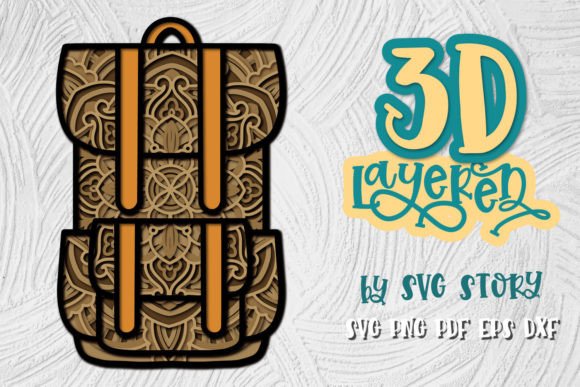
As a seasoned brand designer working with small businesses, I’m always on the lookout for design assets that can elevate their visual identity without feeling overused or generic. When I first saw the 3D Backpack Camper Layered SVG, it caught my eye with its dimensional charm and layered depth. This graphic design asset isn’t just another clipart—it brings a sense of adventure and craftsmanship that could work well in several local branding scenarios.
Aesthetic Personality and Brand Fit
The 3D Backpack Camper Layered SVG has a playful yet professional feel to it. It’s crafted with attention to detail, giving off a vibe that’s both modern and slightly rustic—perfect for brands that want to convey authenticity and creativity. The layered structure adds a tactile dimension that makes it ideal for visual storytelling, especially for businesses like outdoor gear shops, eco-friendly product lines, or even artisanal food packaging looking to evoke a sense of journey or exploration.
This illustration suggests a brand personality that’s approachable, adventurous, and handcrafted. It doesn’t scream “corporate,” but rather whispers “local,” which is exactly what many small business owners are aiming for when they develop their brand identity.
Real-World Applications for Small Businesses
Let’s imagine a scenario where this design could be put to use. Suppose you're working with a local boutique that sells handmade camping-themed accessories—think lanterns, mugs, and journals. The 3D Backpack Camper Layered SVG could serve as an excellent hero graphic on product labels, packaging accents, or social media campaign graphics. Its layered nature allows for customization, making it adaptable across multiple touchpoints while maintaining a cohesive look.
- Product Labels: Use the backpack camper as a central icon in your label design. It can represent the brand’s core values—exploration, simplicity, and sustainability—especially if paired with earthy tones or natural textures.
- Packaging Accents: Incorporate the SVG into shadow boxes or die-cut areas on gift boxes or product wrappers. The 3D aspect really shines here, offering a pop of visual interest that stands out on shelves.
- Social Media Graphics: Repurpose the design into Instagram posts or Facebook banners. It works particularly well in seasonal campaigns, such as summer adventures or travel-themed promotions.
- Hang Tags & Thank-You Cards: Add the illustration subtly to hang tags for products or thank-you cards for customers. It reinforces brand recognition while keeping the message warm and personal.
Design Strengths for Brand Presentation
The 3D Backpack Camper Layered SVG offers more than just visual appeal. It can help build a stronger first impression by introducing a memorable motif right from the start. Whether printed on a product label or used in web design, this graphic helps establish a clearer visual hierarchy and supports better product recognition.
What I appreciate most is how it contributes to consistent brand identity. Since it includes SVG, EPS, DXF, PNG, and PDF files, you can scale it up for posters or shrink it down for price lists without losing quality. That kind of flexibility is rare in creative marketplaces and incredibly valuable for small business branding efforts.
Where It Works Best
Here are some specific places where this design asset will make the biggest impact:
- Hero Graphics: On website banners or promotional ads, the camper acts as a strong focal point that communicates the brand’s essence quickly.
- Boutique Visuals: For a shop selling outdoor-inspired items, this illustration can be integrated into signage, shelf displays, or even window clings.
- Seasonal Campaigns: Think springtime hiking gear or autumn campfire essentials. The design can be adapted with color overlays to match each season's theme.
- Printable Inserts: Embed the SVG into printable inserts for product boxes or gift bags. It adds a decorative element that feels intentional and high-quality.
Where Caution Is Needed
While the 3D Backpack Camper Layered SVG is a powerful tool, there are situations where it might not be the best fit. For instance, formal corporate branding or luxury minimalist brands may find the design too whimsical. It should also be used carefully on very small labels or in layouts where text needs to dominate—like ingredient-heavy designs or legal information sections.
Additionally, avoid placing it on low-contrast backgrounds unless you’re prepared to adjust its colors. In editorial design or product mockups with dense text, it could easily compete for attention and reduce readability. Always test it beside different font styles—serif, sans serif, script, handwritten, display—to ensure it complements rather than clashes.
Designer Notes for Implementation
Before finalizing the use of this asset in any commercial design project, I recommend doing the following:
- Test on Real Packaging Mockups: See how it looks when applied to actual product boxes or bags. Does it stand out? Does it add value?
- Check Black and White Usage: If your client wants to print in monochrome, confirm the design still holds its shape and meaning.
- Preview on Small Labels: Ensure it scales well without becoming cluttered or pixelated.
- Match with Brand Colors: Import the design into your brand palette and see how it reacts with your primary and secondary hues.
- Compare with Competitor Packaging: Make sure the use of this design sets your client apart rather than blending in.
- Review Print Quality: Especially for physical product sales, check how the layers translate in print. High-resolution PNG files included in the package are a big plus here.
- Inspect Vector Editability: As an SVG design, it’s fully editable in vector software. That means you can tweak individual elements like shadows or shapes to suit your brand’s unique style.
- Confirm Commercial Licensing: Before using it for anything beyond a Canva template, double-check that the asset comes with a commercial license. Many free illustrations fall short in this area.
Emotional Connection and Shelf Appeal
One of the key advantages of using this 3D Backpack Camper Layered SVG is its ability to create an emotional connection with customers. The imagery evokes nostalgia, freedom, and a love for the outdoors—qualities that resonate deeply with audiences who support local and handmade businesses.
In terms of shelf appeal, this illustration does wonders. When placed on product packaging or promotional flyers, it draws the eye and encourages engagement. Whether you’re designing for a coffee shop with a “campfire roast” blend or a skincare line inspired by nature, the camper motif can subtly enhance the experience before the customer even opens the product.
Consistency Across Touchpoints
Consistent brand identity is crucial for small businesses. Using this design across multiple platforms—from logo design to social media graphics—creates a unified visual language. The inclusion of various file types (SVG, EPS, DXF, PNG, PDF) ensures that the design remains sharp and scalable no matter the medium.
I’ve seen clients struggle with mismatched visuals because they didn’t have access to versatile design assets. With the 3D Backpack Camper Layered SVG, you can maintain a professional look across all formats, whether you’re printing on cardboard for packaging design or creating digital product samples for a marketing campaign.
Final Thoughts on the 3D Backpack Camper
Overall, the 3D Backpack Camper Layered SVG is a standout graphic design asset that brings character and versatility to local branding projects. It fits naturally within the Shadow Boxes category, where layered illustrations can be manipulated for texture and depth. The design supports stronger emotional connections, improved customer trust, and more polished marketing visuals—key components for building a successful brand in today’s competitive marketplace.
If you're working with a boutique, handmade soap business, or a food label that wants to tell a story, this design could be a great addition to your toolkit. Just remember to evaluate its placement carefully and always align it with your client’s brand voice and audience expectations.